
Soil vs Hydroponic Mat for Microgreens: Which Wins?
Soil vs Hydroponic Mat for Microgreens: The Real Answer
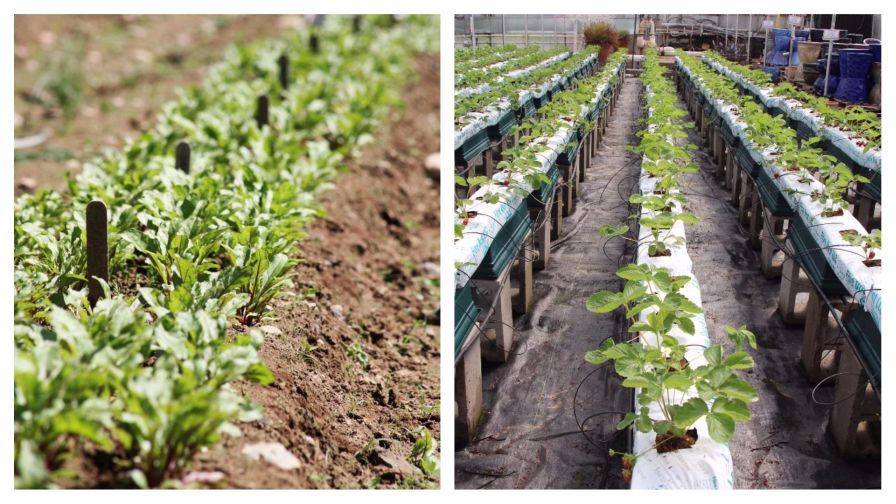
A broccoli tray on soil pulled 8 to 11 ounces at harvest the same seed, same light, same water schedule, grown on a jute mat two shelves down pulled 3 to 5 ounces that's not a rounding error that's more than double.
If you're a first time grower comparing soil vs hydroponic mat for microgreens before buying a single tray that gap looks like the whole answer it isn't.
Here's what actually decides the winner for your setup.
Soil wins on yield and nutrition for most microgreens especially big seeded crops like sunflower, pea and broccoli.
Hydroponic mats win on speed, cleanliness and shelf space. Sell to restaurants or need a spotless harvest fast? Use mats. Growing for yourself or a farmers market? Soil is the better default.
Below is the yield data behind that broccoli tray and which crops suit which medium.
Here's a simple way to find the best growing medium for microgreens for your own setup.
Why Most First Time Growers Pick the Wrong Medium
Most starter kits push hydroponic mats first they're marketed as the clean, modern option. No dirt, No bags to store, No soil on the countertop.
That reputation isn't wrong it's incomplete.
Type microgreens grow mat vs soil into any grower forum and the answers split about fifty-fifty. Half the room swears by mats. Half swears by dirt.
Both sides usually point to the same fact: microgreens in general are absurdly nutrient dense. USDA's Agricultural Research Service found that microgreens carry roughly five times the vitamins and carotenoids of mature vegetables (USDA ARS, 2014).
That number gets used to sell every growing kit on the market, mat or soil it says nothing about which medium grows the better microgreen.
📝 Note: Both mediums produce food safe microgreens when handled correctly. The North Carolina Department of Agriculture's produce safety guidance recommends cutting stems well above the growth line either way.
Tools and hands cause more contamination than soil or mat fibers do (NCDA&CS, 2024).
Soil vs Hydroponic Mat for Microgreens: Which One Actually Wins?
Yield: Soil wins here more than mat marketing admits. Organic Farming Research Foundation ran a controlled trial through its Farmer Led Trials program. Broccoli microgreens on soil out yielded the same seed on jute mat by more than double. Soil trays averaged 8 to 11 ounces per tray.
Jute trays averaged only 3 to 5 ounces (OFRF, 2026). Mat trays germinated faster and more evenly. Soil trays started patchier then caught up by day 8 to 12 finishing taller and greener.
Nutrition: A 2023 review in the Journal of Functional Foods points to a head to head study of soil and hydroponic microgreens that study found soil grown microgreens carried significantly higher vitamin C than the same crop grown hydroponically (Partap et al., 2023).
Mats can be dosed with nutrient solution to push specific compounds up that takes equipment and know how most home growers don't have.
Speed and cleanliness: Mats win here with no contest. Growing microgreens without soil means nothing clings to the roots so harvest is faster and the tray needs no washing before it hits a plate. For a restaurant account judged on presentation that's worth the tradeoff.
Cost over time: Soil is cheaper to run a bag of seed starting mix lasts several grows and can be amended and reused. Hemp and jute mats are single use. Every tray means buying another mat.
Space and mess: Mats win here too. No bags of soil to store. No dirt on the counter. Lighter trays to carry.
Add it up and soil wins three of five categories that matter most to a home grower: yield, nutrition and cost.
Mats win on speed and mess which matter more once you're selling to people who never see your grow space.
Soil vs hydroponic mat for microgreens, side by side:

| Attribute | Soil | Hydroponic Mat |
|---|---|---|
| Yield (broccoli, per tray) | 8 to 11 oz | 3 to 5 oz |
| Vitamin C | Higher | Lower |
| Germination | Slower start, catches up by day 8–12 | Faster, more even |
| Harvest cleanliness | Needs washing | No washing needed |
| Cost per cycle | Reusable, cheaper long term | New mat every cycle |
The Better Call for Selling at a Farmers Market
If you're growing to sell, soil earns its mess back in weight a tray that yields double at harvest fills more clamshells at a market stall weight is the whole business. Weight sells.
Tiffany Sanders runs Sanders Funny Farm in Indianapolis with her husband Mike. She relied on jute mats for years before running a formal side by side trial through OFRF's program. "I wanted real data from my own farm." (Tiffany Sanders, Farmer Led Trials Program Participant, Sanders Funny Farm; OFRF, 2026).
That trial produced the yield gap above on her own broccoli crop with her own seed and lights.
Home growers get a simpler version of the same call. Growing sunflower, pea or broccoli for your own kitchen? Soil gets you more food per tray and per dollar. Save mats for fast, delicate crops like radish or basil, where the yield gap narrows and a clean harvest matters more.
3 Things to Check Before You Switch Growing Mediums
Check your seed density first: Overseeding is the most common failure on either medium it's the fastest route to mold. Penn State Extension recommends roughly 2 seeds per square inch for large seeds like sunflower and pea.
Small seeds like broccoli and mustard need up to 12 per square inch (Penn State Extension, 2024).
💡 Pro Tip: Weigh your seed instead of eyeballing it a kitchen scale and one seed density chart cut mold losses more than any fan, mat or soil brand switch will.
Check your water source and hands: Switching mediums doesn't fix bad hygiene not even close. Whatever you grow on, wash your hands, sanitize your scissors and keep the tray off the counter until harvest. No exceptions.
Check what you're actually optimizing for: If the honest answer is less mess, buy mats and accept the smaller yield if the honest answer is more food, buy soil and accept the extra washing.
Trying to get both from one medium is how growers end up switching every season. Few ever run their own numbers the way Tiffany Sanders finally did.
Key Takeaways
- Soil out yielded hydroponic mat by more than double on broccoli in a controlled OFRF trial (8 to 11 oz vs. 3 to 5 oz per tray).
- Soil grown microgreens also tested higher in vitamin C in a peer reviewed comparison.
- Hydroponic mats win on germination speed, harvest cleanliness and storage space, which matter most for restaurant or market accounts judged on presentation.
- Overseeding not the medium itself, causes most mold failures. Weigh seed instead of guessing.
- Pick based on what you're optimizing for: yield and cost favor soil, speed and mess favor mats.
Still deciding between soil vs hydroponic mat for microgreens? Run one tray of each on the same crop before committing to either the numbers from your own kitchen will tell you more than any growing kit's marketing copy.
Frequently Asked Questions
Is it better to grow microgreens on soil or in hydroponics?
Soil produces higher yields and in at least one peer reviewed comparison, more vitamin C for most microgreens. Hydroponic mats produce a faster, cleaner harvest with no washing required which matters more for commercial accounts than home growing.
What are the best grow mats for microgreens?
Hemp and jute are the standard hydroponic mats for microgreens. Hemp holds moisture longer which helps in dry rooms. Jute holds its shape better during harvest and suits small seeds like broccoli and kale.
What is the best substrate for growing microgreens?
There isn't one best substrate for every crop. Organic soil or seed starting mix suits big seeded crops like sunflower and pea best. Hemp or jute mats suit small, fast brassicas like broccoli and radish.
What are some common mistakes people make when growing microgreens?
Overseeding is the top mistake on both mediums and the main cause of mold. Letting a mat's water reservoir run dry is the next most common issue, followed by skipping drainage holes in soil trays which causes root rot.


Comments
Post a Comment